

How Each Flushing System Works
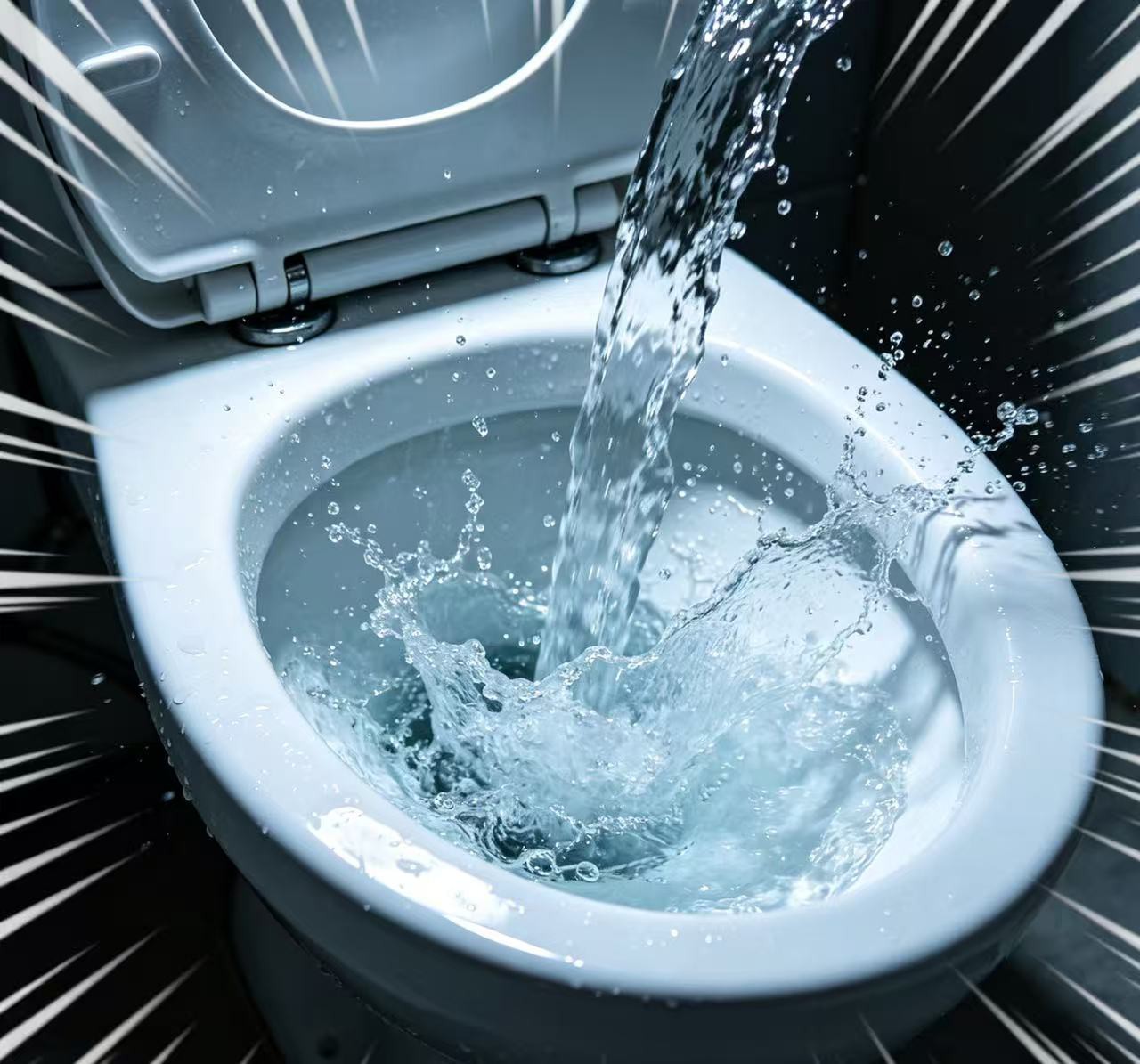
Gravity-Flush Toilets
A gravity-flush toilet is the simplest design: water stored in the tank falls into the bowl under its own weight when the flush is triggered. The force of falling water pushes waste through the trapway and into the drain. It is reliable and inexpensive to manufacture, which is why it dominated the market for decades.
The trade-off is noise. Because the mechanism relies on the physical impact of water cascading into the bowl, gravity-flush toilets are inherently louder - a meaningful disadvantage in hotels, apartments, and any noise-sensitive environment.
Siphonic-Flush Toilets
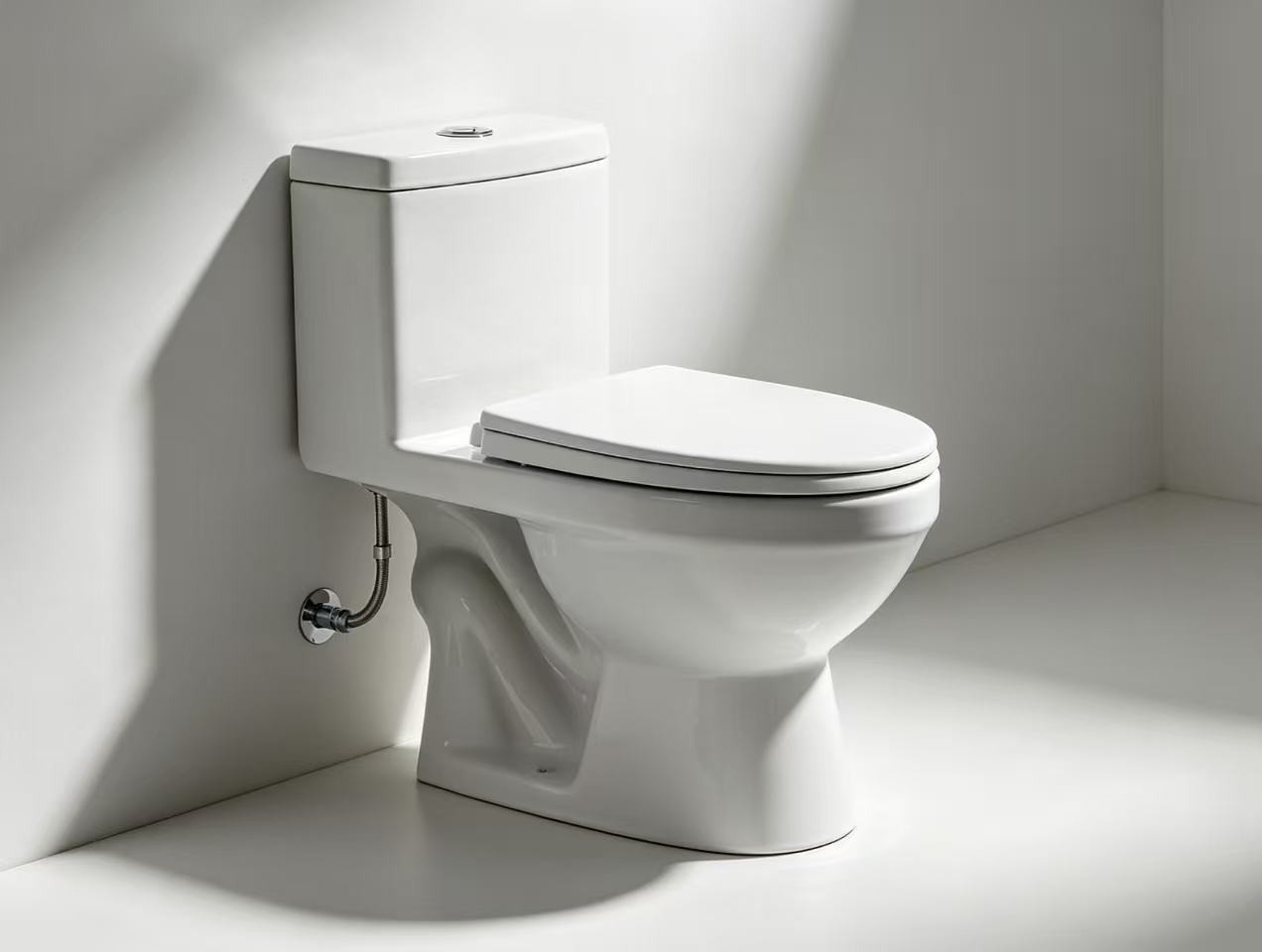
A siphonic toilet works differently. Rather than relying solely on the weight of water, it uses a precisely engineered S-shaped trapway to create a siphon effect the moment flushing begins. Water enters the bowl in a controlled manner, the siphon draws waste through the trap rapidly and completely, then breaks - signaling the end of the flush cycle.
Because the mechanism is driven by suction rather than impact, siphonic toilets operate far more quietly. The bowl is also typically deeper and the water surface area larger, which reduces odor exposure and makes cleaning easier.
Side-by-Side Comparison
|
Feature |
Siphonic Flush |
Gravity Flush |
|
Flush mechanism |
Siphon suction through S-trap |
Water weight / gravity fall |
|
Noise level |
Low - quiet, enclosed action |
Higher - water impact audible |
|
Water efficiency |
1.28 GPF possible (WaterSense) |
Often 1.6 GPF standard |
|
Bowl water surface |
Larger - reduces odor exposure |
Smaller water surface |
|
Cleaning ease |
Smoother bowl, less residue |
More surface for deposits |
|
Clog risk |
Low - strong siphon clears fully |
Moderate - relies on water volume |
|
Best environment |
Hotels, apartments, healthcare |
Low-budget or rural builds |
|
North America fit |
Dominant design; cUPC compatible |
Available but less preferred |
North American Certification: What You Must Check
Regardless of flush type, any toilet imported for sale or installation in the United States or Canada must meet specific certification and performance standards. Here is what to look for when evaluating a supplier:
cUPC Certification
cUPC (Canadian/Uniform Plumbing Code) is the primary third-party certification recognized by state and provincial plumbing authorities across North America. A cUPC mark on the toilet confirms the product has been independently tested for performance, water consumption, and safety. Specifying non-certified fixtures can result in failed inspections, project delays, and liability exposure.
EPA WaterSense
WaterSense is a voluntary EPA program that certifies fixtures consuming 1.28 GPF (gallons per flush) or less while meeting minimum performance criteria. Beyond the environmental benefit, WaterSense-labeled toilets qualify for rebate programs offered by water utilities in dozens of U.S. states - a tangible selling point for developers and property managers.
12-Inch Rough-In (300 mm)
The vast majority of North American bathrooms - both residential and commercial - are plumbed to a 12-inch (300 mm) rough-in: the distance from the finished wall to the center of the drain. Specifying a toilet with the correct rough-in dimension avoids costly retrofit work on-site.
Which Projects Benefit Most from Siphonic Technology?
Hotels and Hospitality
Noise is one of the most frequent complaints in hospitality settings - toilets adjacent to sleeping areas must flush quietly. Siphonic technology directly addresses this, and the larger water surface minimizes odor in high-traffic guest bathrooms.
Multi-Family Residential
In multi-unit buildings, bathroom sounds travel between units through shared walls and floor assemblies. A quiet siphonic flush reduces noise complaints between tenants - a practical benefit that developers increasingly specify in project documentation.
Healthcare and Care Homes
Healthcare environments require hygienic, easy-to-clean fixtures. The siphonic bowl's larger water coverage reduces exposed porcelain surface, lowering the risk of bacterial residue between cleaning cycles.

High-End Residential
Homeowners in premium residential builds expect elevated bathroom performance. The quiet flush, clean bowl design, and water-saving credentials of siphonic toilets align well with the expectations of this buyer segment.
Products DescriptionHealthcare and Care Homes
The majority of ceramic sanitary ware consumed in North America is manufactured in China, primarily in Tangshan (Hebei), Chaozhou (Guangdong), and Foshan (Guangdong). When shortlisting suppliers, use the following criteria:
1.Certifications on File - Not Just Claimed
cUPC certificate number should be verifiable with the issuing body (IAPMO or equivalent)
WaterSense partner or product listing can be cross-checked on the EPA website
Request the original certificate PDF, not just a logo on a brochure
2.Factory Scale and Production Consistency
Larger factories with dedicated tunnel kilns maintain more consistent firing temperatures
Ask about annual production capacity and how many shifts are operated
A factory with 300,000+ m² floor space and multiple production lines can reliably fulfill large orders
3.OEM and Packaging Capability
If you are a distributor, confirm the factory can produce under your brand name
Ask for photos or samples of OEM packaging they have done for other markets
Confirm minimum order quantities for OEM vs. standard orders
4.Export Track Record to North Americ
Ask for references or proof of shipments to U.S. or Canadian buyers
Verify familiarity with export documentation: Bill of Lading, Certificate of Origin, packing lists
Factories experienced with North American buyers understand 12-inch rough-in and cUPC requirements by default
Common Sourcing Mistakes to Avoid
|
These are the most frequent errors made by first-time importers of ceramic sanitary ware to North America: |
Ordering without verifying rough-in dimension - a 10-inch or 14-inch rough-in toilet cannot be installed in a standard 12-inch plumbed bathroom without expensive modifications.
Accepting a 'cUPC-ready' claim without the certificate - 'cUPC-ready' is not cUPC-certified. Require the actual certificate.
Ignoring water consumption rates - 1.6 GPF fixtures may be restricted or non-rebate-eligible in water-conscious U.S. municipalities. Always verify local requirements.
Ordering without a sample first - glaze quality, bowl geometry, and flush performance vary between factories. Always test a sample before committing to a container load.
Not confirming MOQ for OEM - OEM orders often carry a different (higher) MOQ than standard catalog products. Clarify before negotiating.
Pre-Order Checklist for North American Toilet Sourcing

|
Use this checklist before finalizing any toilet sourcing decision for a North American project: |
☑ cUPC certificate on file - verified, not self-declared
☑ WaterSense compliance confirmed (1.28 GPF or below)
☑ 12-inch (300 mm) rough-in confirmed
☑ Flush type confirmed - siphonic recommended for noise-sensitive applications
☑ Sample ordered and tested before bulk commitment
☑ OEM capability and MOQ confirmed if custom branding required
☑ Lead time and port of loading confirmed
☑ Export documentation capability confirmed
|
HFY Bath manufactures the FTZ-1903 Two-Piece Quiet Siphonic Toilet - a cUPC-certified, WaterSense-compliant siphonic toilet built for North American projects. Available in White and Biscuit. MOQ 20 pcs. OEM available. Request a quote or sample today at hfybath.com. |
➡ Product page:https://www.hfybath.com/toilet/two-piece-toilet/siphonic-vs-gravity-flush-toilets.html


