As a core component of modern sanitary facilities, the toilet's structural design integrates principles of fluid mechanics, materials science, and ergonomics. It must meet basic functional requirements while also balancing water conservation and durability. A thorough understanding of the toilet's structural components can help optimize product design and enhance the user experience.
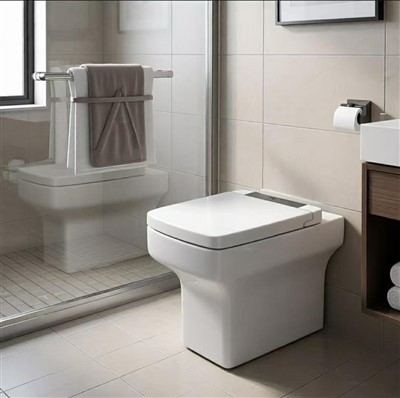
From a structural perspective, a toilet primarily consists of three parts: a water tank, a main body, and a drainage system. The water tank is located at the top, integrating control components such as the inlet valve, drain valve, and float. It utilizes a lever mechanism to achieve automatic filling and flushing. Modern toilets often feature a dual-flush design, allowing users to select between a half-flush and a full-flush mode, significantly reducing water consumption. The main body is typically constructed of a single-piece ceramic body with a glazed interior to prevent dirt from adhering. Key components include the seat, bowl, and drain outlet. The seat is designed to conform to the curves of the human hips, and some high-end models incorporate antibacterial coatings or heating features. The bowl's capacity and tilt angle are meticulously calculated to ensure efficient flushing while minimizing splashing. The sewage system is the core of a toilet's performance, with two mainstream technologies: flushdown and siphonic. The flushdown system relies on gravity to flush waste directly into the sewer pipe, offering a simple structure and resistance to clogging, but it can be noisy. The siphonic system uses a trap to create a vacuum, leveraging the liquid's siphoning effect for silent drainage, making it more suitable for noise-sensitive environments. Both systems utilize an S- or P-shaped sewage pipe design, preventing backflow while creating a water seal and isolating odors.
The choice of materials directly impacts the lifespan and safety of a toilet. High-quality ceramics must possess high density and low water absorption, and the surface glaze must pass wear resistance testing to ensure long-term resistance to yellowing. Some products use engineering plastic components within the water tank, reducing weight and enhancing corrosion resistance. In recent years, the rise of smart toilets has driven structural innovations, such as integrated spray systems, warm air drying modules, and pressure sensors. These additional features require optimized waterproofing and circuit layout based on the existing structure. As environmental standards rise, toilet design is evolving towards more water-efficient and intelligent solutions. By optimizing flush paths and improving wastewater removal efficiency, newer models can achieve the same cleaning efficiency as traditional 9-liter toilets using only 4-6 liters of water, fully demonstrating the innovative value of structural engineering in the public sector.