Toilets, as core components of sanitary ware in modern homes and public health facilities, are a key component of sanitary ware. Their classification and technological evolution directly impact user experience and industry development. From functional structure and installation method to water-saving performance, toilet classification systems are diverse, with different product categories playing distinct roles in homes, commercial spaces, and public facilities.
Based on flushing method, toilets are primarily categorized as direct flush and siphonic. Direct flush toilets use the instantaneous impact of water flow to dissipate waste, resulting in larger pipe diameters and less clogging. However, they are noisy and relatively inefficient. Siphonic toilets use a special S-shaped pipe to create a vacuum siphon effect, resulting in a quiet and stable flushing process. They also require lower height requirements for floor-mounted sewer pipes and currently dominate the mid- to high-end residential market. Siphonic toilets are further subdivided into vortex and jet types. The latter utilizes a bottom-mounted auxiliary nozzle to enhance flushing force and is suitable for renovations in older buildings with smaller sewer pipes.
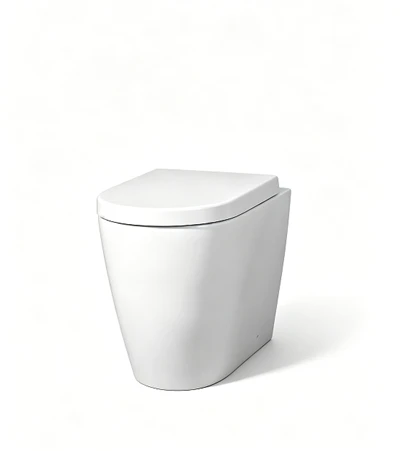
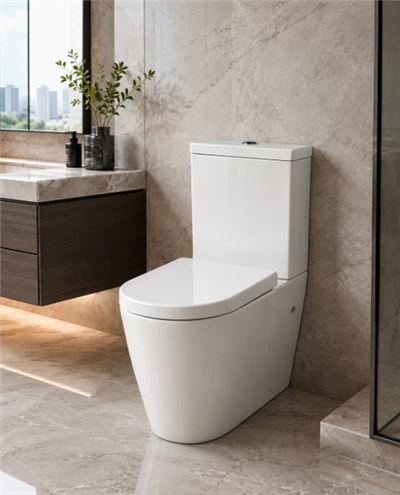
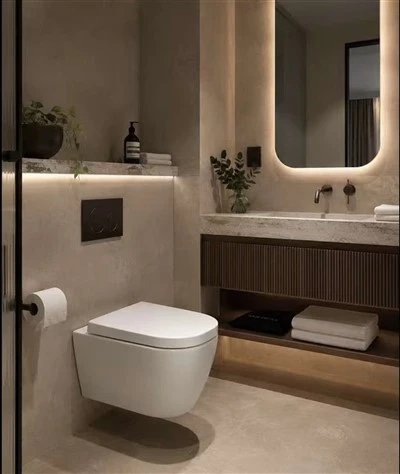
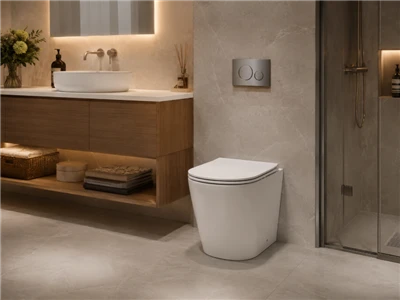
Based on installation method, floor-standing and wall-mounted toilets represent two typical solutions. Traditional floor-standing toilets rely on brackets for secure installation, making them easy to install and maintain and suitable for most bathroom layouts, but they occupy a considerable amount of space. Wall-mounted toilets, with their tanks concealed within the wall, offer a suspended design that saves floor space and facilitates cleaning in tight corners. They are often found in minimalist spaces like hotels and high-end apartments, but they require high precision in the installation of embedded components in the building's load-bearing walls.
Water efficiency has become a key technical metric in toilet classification. Standard toilets typically produce between 6 and 9 liters of water per flush, while water-saving models that meet national first-level water efficiency standards can limit water consumption to under 4 liters. Some high-end models feature dual-stage flushing to achieve separate urination and defecation levels, further optimizing water resource utilization. In recent years, the integration of tankless pressure flushing technology and intelligent sensing systems has driven the development of toilets towards low-energy consumption and high automation.
The current toilet classification system is evolving in line with evolving consumer demand, extending from basic functional models to intelligent and health-conscious ones. Industry data shows that the penetration rate of smart toilets with additional features such as seat heating and automatic deodorization has increased year by year, reflecting the market's higher demand for comprehensive performance in sanitary ware products. With breakthroughs in materials science and fluid dynamics, toilet classification standards will continue to be iterated and updated, providing technical support for the high-quality development of the global sanitary ware industry.