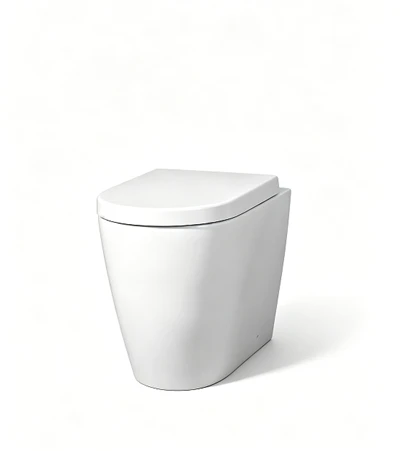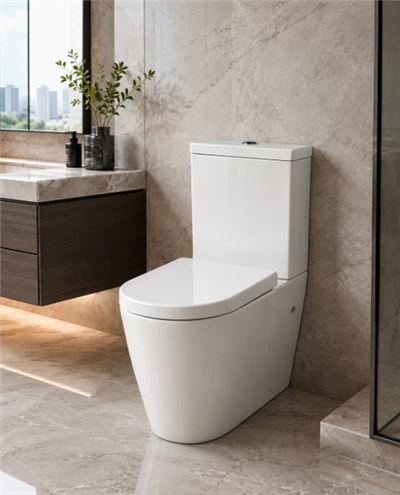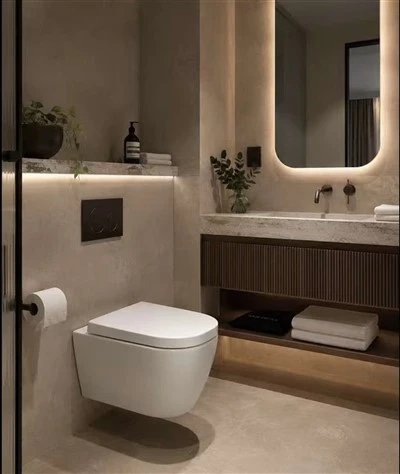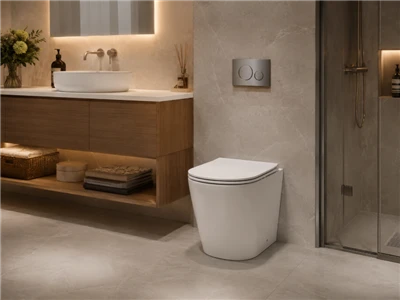
As a core component of modern sanitary facilities, the design and functionality of the toilet directly impact the user experience and quality of life. With advances in materials science, ergonomics, and environmental protection, modern toilets have demonstrated remarkable structural, performance, and intelligent features, becoming a key criterion for evaluating bathroom product quality.
Rational Structural Design
Traditional toilets typically utilize siphonic or direct flushing systems. Modern toilets build upon this by optimizing the integrated design of the tank and basin. Siphonic toilets create negative pressure within the pipes for efficient flushing, resulting in low noise and significant odor prevention. Direct flushing systems feature large-diameter drainage pipes, providing powerful flushing and resisting clogging. Furthermore, the differentiated designs of two-piece and one-piece toilets cater to different spatial requirements. One-piece toilets offer sleek lines, ideal for homes seeking a minimalist aesthetic, while two-piece toilets are easier to maintain and less expensive.
Ergonomic Comfort
Modern toilets generally meet the "sitting comfort zone" standard (approximately 40-45 cm), reducing stress on the knee joints from prolonged sitting. Some high-end products feature adjustable seat temperature, massage nozzles, and intelligent sensing systems, enhancing the user experience by precisely fitting the body's curves. For example, toilets with tilt adjustment can accommodate users of varying body shapes, while wide seats further distribute pressure on the buttocks, demonstrating meticulous attention to detail.
Materials and Durability
Ceramic remains the mainstream material for toilets, favored for its smooth, antibacterial, and easy-to-clean glaze. In recent years, the application of nano-self-cleaning glaze technology has made stains less susceptible to adhesion, significantly reducing cleaning frequency. Some products utilize reinforced ceramic bodies, increasing crack resistance by over 30% and extending their service life to over ten years. Furthermore, water-saving tanks, through optimized flush valve structures, reduce water consumption per flush to 4-6 liters while maintaining flush efficiency, aligning with global water conservation trends.
Intelligence and Expanded Functionality
The integration of IoT technology is driving the development of intelligent toilets. Smart toilet lids integrate seat temperature control, warm air drying, sterilization, and deodorization functions, and can be customized through an app. High-end models even feature health monitoring modules, such as urine analysis or body fat testing, transforming bathroom fixtures into home health management terminals. Such innovations not only enhance convenience but also offer potential value in medical assistance.
Conclusion
The hallmarks of modern toilets are concentrated in three key dimensions: technological integration, diverse functions, and a personalized user experience. From meeting basic hygiene needs to addressing healthy living scenarios, toilets have transcended simple functional product positioning to become a crucial indicator of residential quality and technological advancements. In the future, with the in-depth integration of sustainable materials and AI technology, toilet design will further evolve towards greater efficiency, environmental friendliness, and personalization.