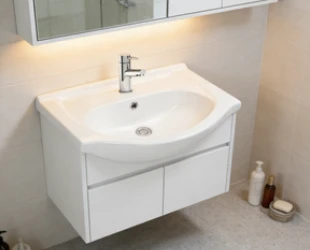
Pedestal basins are common bathroom fixtures, enjoying widespread popularity for their simplicity and practicality. Proper installation not only ensures the basin's stability but also extends its lifespan. This article details the installation steps and key precautions to help you complete the installation smoothly.
First, prepare for installation. Measure the dimensions of the installation location to ensure adequate clearance between the basin and the wall and floor to avoid any issues. Check that the basin and its accessories are complete, including the columns, fixing bolts, sealant, and drainage fittings. Also, clean the installation area, ensure the wall is smooth and free of debris, and that the floor drainage slope meets the required requirements.
Next, install the columns. Align the columns with the pre-installed floor fixtures or expansion bolts, and use a level to adjust the verticality to ensure the columns are vertical and secure. If there are no pre-installed fixings, drill holes and insert expansion tubes before tightening the bolts to secure the columns. After installing the columns, recheck their stability to prevent any wobble during subsequent installation.
Then install the basin itself. Align the pre-cut holes at the bottom of the pedestal basin with the connectors at the top of the column and secure with bolts or clips. Some pedestal basins feature a quick-install design that snaps directly onto the column and tightens securely. Maintain a level surface during installation, using a level to aid adjustment. Next, connect the water inlet and drain pipes, ensuring a tight seal to prevent leaks. The inlet pipe typically comes with an angle valve, which should be installed in advance and the water pressure tested for proper operation.
The final step is sealing. Apply mildew-resistant sealant to the joints between the pedestal basin, the wall, and the column to ensure there are no gaps and prevent moisture from penetrating and causing mold. Install an odor-resistant elbow or seal at the drain outlet to enhance drainage and reduce odors. After installation, test the flush function by turning on the water, check all connections for leaks, and ensure the basin is secure and free of looseness.
When installing a pedestal basin, pay close attention to safety and detail. Do not overtighten the bolts to avoid damaging the ceramic basin. Allow the sealant to dry completely before use, typically 24 hours. In addition, regular inspection of the fastening of the connectors and timely maintenance can effectively extend the service life of the pedestal basin. Through standardized operation, the pedestal basin can not only improve the practicality of the bathroom, but also maintain long-term stable use.