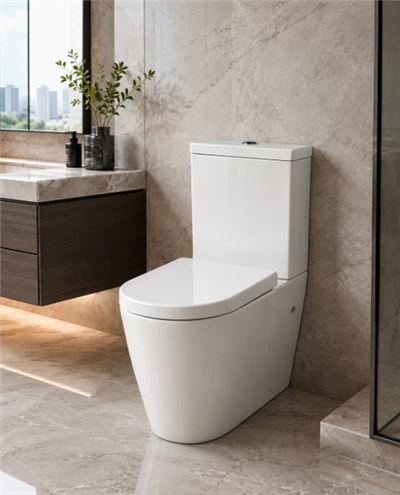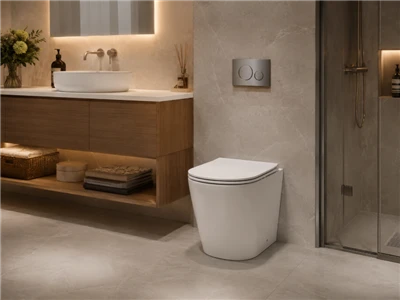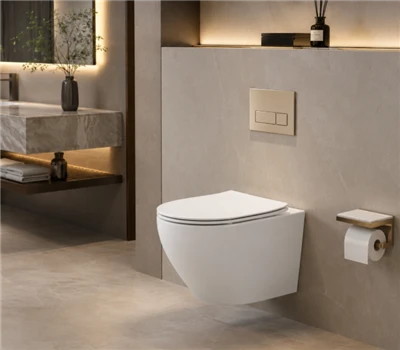
Deceptively simple, mobile toilets harbor rich scientific significance. They are not only a practical tool for temporarily relieving defecation needs, but also a microcosm of technological advancements in public health, materials science, environmental engineering, and social behavior.
From a public health perspective, mobile toilets significantly reduce the risk of disease transmission. Traditional open defecation can easily lead to the spread of enteric infectious diseases. Mobile toilets, with their enclosed design, isolate excrement, and, combined with regular cleaning and disinfection, effectively block the spread of pathogens. Their epidemic prevention value is particularly prominent in special scenarios such as natural disasters, field operations, and medical isolation. For example, during the COVID-19 pandemic, the proper deployment of mobile toilets became crucial for maintaining hygiene in temporary isolation sites.
Innovations in materials science have driven the evolution of mobile toilets. Modern products widely utilize lightweight aluminum alloys, antimicrobial engineering plastics, and leak-proof coatings, reducing transportation burdens while enhancing durability. Some high-end models incorporate vacuum sewage collection technology, which uses pressure differentials to achieve efficient waste removal, saving over 90% of water compared to traditional gravity-fed designs. These technological breakthroughs not only enhance the user experience but also align with global sustainable water management goals.
Environmental engineering gives mobile toilets ecological value. By integrating biodegradation systems or chemical treatment modules, newer models can convert waste into harmless fertilizer or meet water quality standards. Such technologies can alleviate environmental pollution in remote areas or those lacking sewer networks. Data from the World Health Organization shows that the proper use of mobile sanitation facilities can reduce diarrheal illnesses by 25%, indirectly mitigating the environmental resistance caused by overuse of antibiotics.
From a social behavioral perspective, the widespread adoption of mobile toilets reflects humanity's pursuit of dignity and equality. They provide independent access to toilets for people with disabilities, pregnant women, and other special groups, while also safeguarding the basic rights of outdoor workers. This design concept of "undiscriminatory convenience" is essentially a fusion of scientific rationality and humanistic care.
Despite its small size, mobile toilets are a measure of civilization. Its scientific significance goes beyond simple functional realization. It demonstrates the humanistic warmth of technology in multiple dimensions such as public health and safety, resource efficiency, environmental protection and social equity, and continues to provide micro-level solutions for human sustainable development.