As a core fixture in the modern bathroom, the evolution of toilet form and function reflects humanity's constant pursuit of comfort, hygiene, and environmental friendliness. Although seemingly similar in appearance, different types of toilets differ significantly in structure, flushing method, water-saving performance, and user experience. Understanding these differences helps consumers make a more appropriate choice based on their specific needs.
Classification by Structure: Two-Piece vs. One-Piece
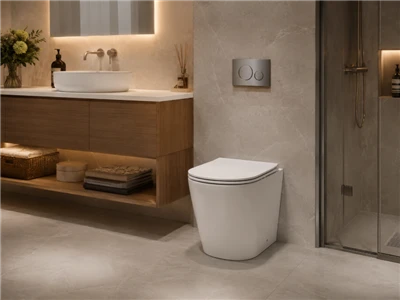
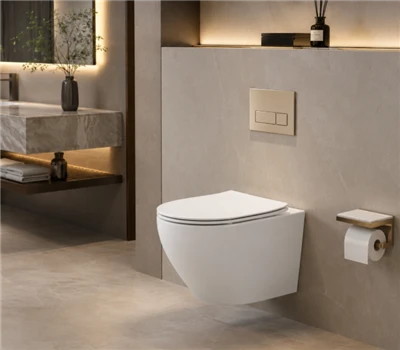
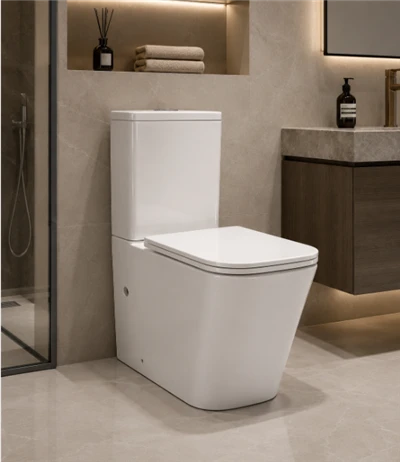
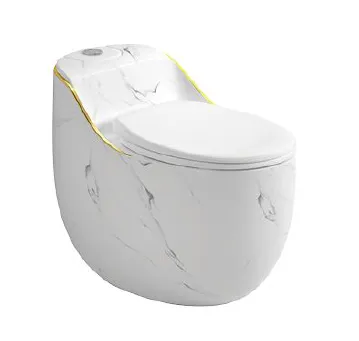
Traditional toilets are primarily categorized as two-piece and one-piece. Two-piece toilets consist of a separate tank and base, offering flexible installation, but the joints can harbor dirt and make cleaning more challenging. One-piece toilets, on the other hand, integrate the tank and bowl into a single design, offering sleek lines and easy maintenance, making them ideal for those seeking a minimalist aesthetic. Furthermore, the recently popular wall-mounted toilet saves space by concealing the tank, but requires installation on a load-bearing wall, requiring more demanding construction.
Flushing Technology: Direct-Wash vs. Siphonic
Differences in flushing systems directly impact a toilet's cleaning efficiency and noise level. Flush toilets use gravity to quickly drain waste, offering strong flushing and resistant to clogging. However, they are noisy and less water-efficient. Siphonic toilets create a vacuum within the pipe to draw waste away, resulting in low noise levels and effective odor control. Siphonic toilets come in two types: vortex and jet. The latter utilizes additional flush holes for enhanced cleaning power, but is relatively expensive.
Water Saving and Smart Features
With growing environmental awareness, water-saving toilets have become mainstream. While standard toilets use approximately 6-9 liters of water per flush, water-saving models can reduce this to less than 4 liters through optimized tank design or dual-flush settings (3/6 liters). Smart toilets are emerging in the high-end market, integrating features like seat heating, warm water flushing, and warm air drying. Some models also offer automatic deodorization and health monitoring, but are generally several times more expensive than traditional options.
Material and Design Details
Toilets are primarily made of ceramic. High-quality products utilize a high-temperature firing process, resulting in a dense, smooth surface and enhanced antibacterial properties. Seat designs range from standard hard plastic to slow-down designs and even antibacterial materials, while additional features like self-cleaning nozzles and UV sterilization further enhance hygiene standards.
When choosing a toilet, consider the space layout, family needs, and budget. For example, a wall-mounted or one-piece model is suitable for a small apartment, while a high-powered siphon model is preferred for large families. Those seeking a more refined lifestyle can invest in a smart toilet. Understanding these differences will ensure that bathroom fixtures truly serve the goals of a healthy and comfortable life.