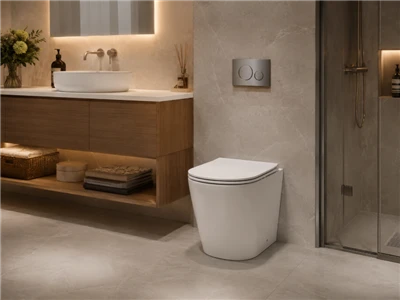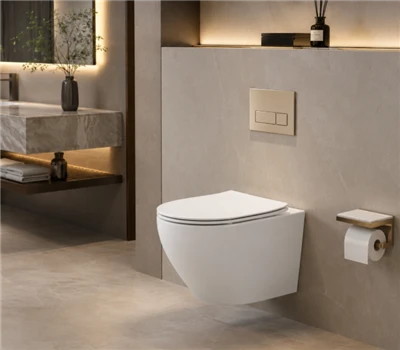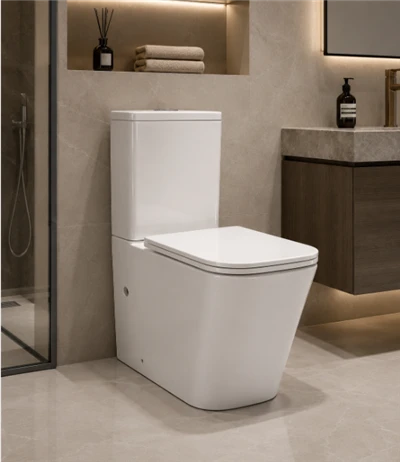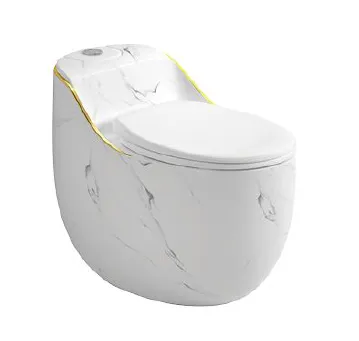
As a vital component of modern sanitary facilities, the design of a toilet not only impacts the user experience but also reflects the aesthetic preferences and technological advancements of different cultures. From overall styling to detailed details, toilets exhibit diverse appearance, primarily reflected in the following aspects.
Overall Shape
A toilet's overall design typically consists of three components: the tank, seat, and bowl. Traditional toilets often feature a one-piece design, integrating the tank and bowl. This design creates sleek lines and a simple appearance, and is commonly found in homes and public restrooms. Two-piece toilets, with separate tanks and bowls, offer flexible installation, but the seams may compromise the overall aesthetic. In recent years, smart toilets with low or no tank designs have become increasingly popular, their compact design better suiting the aesthetic needs of modern bathroom spaces.
In terms of shape, toilet bowls are primarily oval or round, with some high-end models adopting streamlined designs to minimize visual intrusion. The curvature of the seat is ergonomically optimized, ensuring both comfort and aesthetics. In addition, some toilets feature a suspended design (wall-hung toilets), with the tank concealed within the wall. This creates a cleaner, uncluttered floor space and is ideal for bathrooms embracing a minimalist aesthetic.
Surface Treatment and Materials
The surface treatment of a toilet directly impacts its appearance and texture. Common finishes include glazed, matte, and frosted. Glazed toilets are fired at high temperatures, resulting in a smooth, delicate surface that's easy to clean, and their reflective effect enhances the overall sense of brightness. Matte or frosted finishes offer a more understated look and are suitable for bathrooms seeking a softer visual effect.
In terms of materials, ceramic remains the mainstream choice due to its heat resistance, corrosion resistance, and ease of maintenance. Some high-end products utilize acrylic or composite materials, using injection molding to achieve more complex designs while reducing weight. In recent years, smart toilets have often incorporated metal or plastic into their exteriors to enhance their technological appeal and durability.
Color and Decorative Elements
Traditional toilets are primarily white, symbolizing cleanliness and hygiene, and this classic color still dominates the market. However, with growing demand for personalization, toilets in gray, beige, black, and even two-tone finishes are becoming increasingly popular, adding more stylish possibilities to bathroom spaces. Some high-end products even incorporate decorative elements like chrome or brushed metal around the edges or buttons, enhancing the overall sophistication.
Smart toilets are becoming increasingly diverse in design, with some models featuring color LED displays or touch panels, integrating functionality with aesthetics. Furthermore, some brands are using sculpted textures or embedded lighting effects to give their toilets a unique visual identity.
The appearance of a toilet is not only about practicality; it is also an integral part of bathroom design. From classic one-piece designs to modern wall-mounted models, and from a single white color to a variety of colors, the evolution of toilet design reflects the fusion of technology and aesthetics. In the future, with the rise of smart homes and environmentally friendly concepts, toilet design will continue to evolve towards a more minimalist, intelligent, and personalized look.