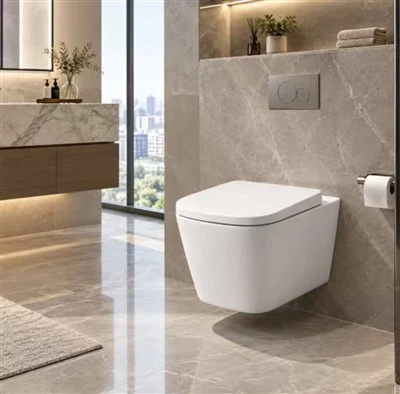
As a core component of modern sanitation, the proper use and regular maintenance of toilets are not only crucial for personal hygiene but also directly impact the health of the home environment and the long-term lifespan of the equipment. Mastering scientific toilet usage and maintenance techniques is common sense that every household should prioritize.
1. Correct Toilet Use
When using the toilet, first and foremost, pay attention to proper posture and movement. Maintain a stable sitting position and avoid exerting excessive force or rocking to minimize impact on the toilet structure. When flushing, choose the appropriate flush volume based on the volume of waste. Modern toilets often feature dual flush buttons: a low-volume button for urine and a high-volume button for solid waste. Proper use can conserve water resources.
In addition, avoid throwing items other than toilet paper into the toilet, such as wet wipes, cotton swabs, and other non-dispersible items, as these items can easily clog the drain. For special waste disposal, use dedicated containers.
2. Daily Toilet Cleaning and Maintenance
Toilet cleaning requires meticulous attention to detail. It's recommended to wipe the toilet's interior, seat, and exterior surfaces daily with a neutral detergent, focusing on the edges and flush button area, where dirt easily accumulates. Stubborn stains can be treated with diluted bleach or a dedicated toilet cleaner, but be careful to avoid prolonged contact with metal parts to prevent corrosion.
Perform a deep cleaning at least once a month, including removing the seat to clean crevices and inspecting the tank for scale buildup. A tank that hasn't been cleaned for an extended period can affect flushing efficiency. If necessary, soak it in white vinegar to soften the scale and then scrub it.
3. Prevention and Treatment of Common Troubleshooting
Common toilet problems include leaks, weak flushes, and clogs. Leaks are often caused by aging tank components, such as damaged float valves or waterstops. These components should be replaced promptly. A weak flush may be due to a clogged pipe or insufficient water in the tank. Try using a plunger to clear the pipe. If this doesn't work, contact a professional for service.
During daily use, you can assess the condition of your toilet by observing the flushing sound and drainage speed. If you notice unusual noises or slow drainage, investigate the issue as soon as possible to prevent minor problems from becoming major damage.
Proper toilet use and regular maintenance not only improve your quality of life but also effectively extend the lifespan of the toilet and reduce repair costs. Through proper operation and careful maintenance, every household can maintain a clean and efficient bathroom.