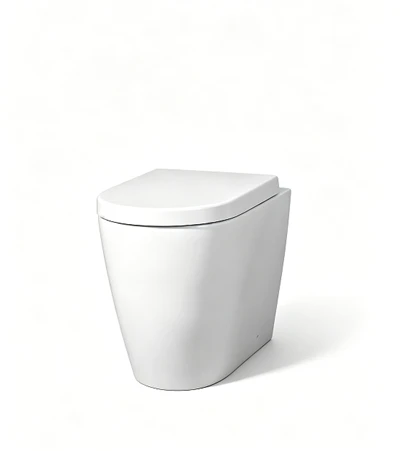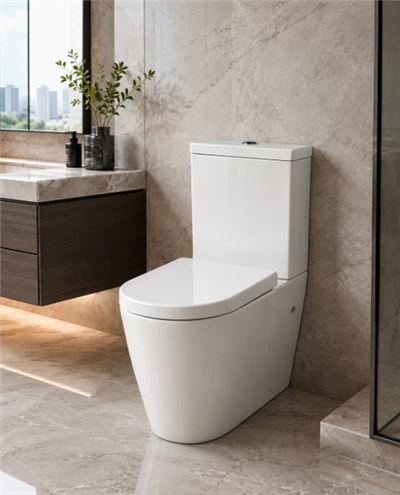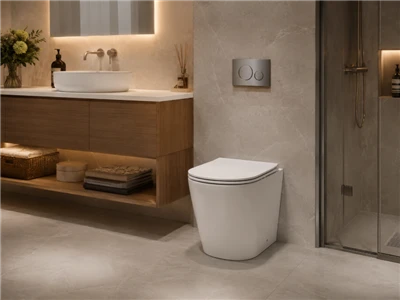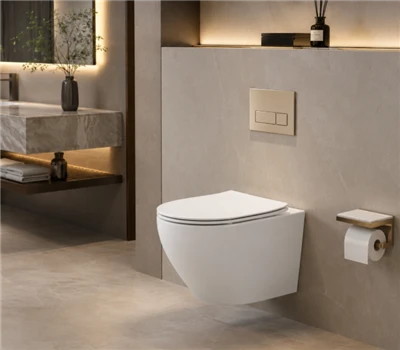
As a convenient sanitation facility, mobile toilets are widely used in homes, construction sites, medical settings, and outdoor settings.Their logistics characteristics directly impact product delivery efficiency, cost control, and user experience. Compared to ordinary consumer goods, the logistics management of mobile toilets requires a comprehensive consideration of product characteristics, transportation environment, and market demand, resulting in a unique supply chain model.
The Logistics Characteristics of Mobile Toilets
The logistics characteristics of mobile toilets are primarily reflected in their physical properties. While most mobile toilets are made of plastic or composite materials and possess a certain degree of pressure resistance, they must be protected from severe impact or heavy pressure during long-distance transportation, as this can cause structural deformation or compromised sealing performance. Furthermore, some high-end mobile toilets equipped with electronic flushing or heating functions place even higher demands on shock and moisture resistance during transportation, necessitating customized packaging and temperature-controlled transportation.
Secondly, the shipping volume and weight of mobile toilets directly impact logistics costs. Standard mobile toilets typically weigh between 5 and 15 kilograms, making them suitable for land and short-distance air transport. However, large-scale distribution requires optimized loading strategies to improve transportation efficiency. For example, logistics companies often use standardized pallet stacking combined with bubble wrap or EPE foam cushioning to reduce transportation losses.
Logistics Models and Supply Chain Optimization
Mobile toilet logistics models are primarily categorized into two types: B2B bulk delivery and B2C scattered transportation. In B2B scenarios, such as bulk purchases at construction sites or medical institutions, logistics providers typically use full truckloads or regional warehousing and distribution to reduce per-unit transportation costs. B2C orders from e-commerce platforms, however, are dispersed and time-sensitive, requiring reliance on efficient delivery networks, such as the "next-day" or "same-day" delivery services offered by SF Express and JD Logistics.
In recent years, the application of smart logistics technology has further improved the efficiency of mobile toilet delivery. By using big data analysis to predict regional demand, companies can preemptively deploy warehousing nodes in key markets, shortening delivery radius. Furthermore, the introduction of the Internet of Things (IoT) allows real-time monitoring of temperature, humidity, and vibration data during transportation to ensure product quality control.
Industry Challenges and Future Trends
Currently, mobile toilet logistics still faces last-mile delivery challenges, particularly in remote areas or high-rise residential areas, where the transportation costs of large items are high. Furthermore, tightening environmental regulations require logistics companies to use recyclable packaging, further increasing operational complexity.
In the future, with the growth of the sharing economy and emergency sanitation needs, mobile toilet logistics networks will become more flexible and intelligent. Companies can leverage blockchain technology for full traceability and integrate drone or autonomous vehicle delivery to optimize supply capacity in remote areas. Overall, the logistics characteristics of mobile toilets not only influence their market competitiveness but also drive continuous innovation in related supply chain technologies.